
Powering Through Price Hikes: Smart Ways to Manage Rising Home Energy Costs
Electricity tariffs are rising in Singapore, making it important for households to adopt practical ways to manage energy use and control monthly bills.

AI Image: OpenAI
From 01 Apr 2026 to 30 Jun 2026, electricity tariffs for households in Singapore will rise by 2.1 per cent. For residents in four-room HDB flats, this translates to an average monthly increase of about $1.96. Gas tariffs will also see a slight uptick during this period. While the adjustment may appear minor, the broader outlook suggests that more significant increases could follow later in the year.
The Energy Market Authority has highlighted that global fuel cost pressures and geopolitical tensions could drive further volatility. As Singapore depends heavily on imported natural gas for electricity generation, disruptions abroad can quickly ripple into higher household expenses. With uncertainty tied to ongoing developments in the Middle East, utility bills may become less predictable in the months ahead.
Against this energy price hikes, small and consistent efforts at home can make a meaningful difference. Managing energy use supports both cost savings and a more sustainable lifestyle.
Practical Ways to Keep Energy Use in Check Amidst Energy Price Hikes
AI Image: OpenAI
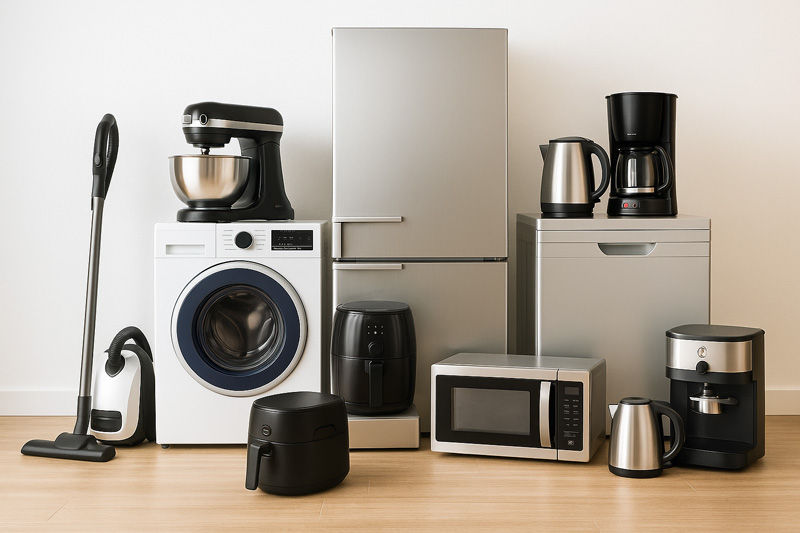
Switch to energy-efficient appliances
Appliances with higher energy efficiency ratings consume less electricity over time. Replacing older models can help reduce long-term costs.
Set air-conditioners to an efficient temperature
Keeping temperatures at 25 degrees Celsius helps reduce electricity use while maintaining comfort.
Limit unnecessary air-conditioning hours
Turning off the unit when leaving the room or switching to natural ventilation at night can significantly cut energy use.
Clean air-conditioner filters regularly
Clogged filters make units work harder, increasing energy consumption. Simple cleaning improves efficiency immediately.
Switch off appliances at the socket when not in use
Many devices continue drawing power when left plugged in. Turning them off fully helps eliminate unnecessary consumption.

Images: Wallowin Interior
Adopt LED lighting
LED bulbs use less electricity and last longer than traditional lighting, making them a practical upgrade.
Use task lighting instead of lighting entire rooms
Switching on only the lights needed for specific activities helps cut down unnecessary energy use.
Wash full loads and use eco modes
Running washing machines only with full loads maximises efficiency. Eco settings further reduce water and energy consumption.
Air-dry clothes instead of using a dryer
Singapore’s climate makes air-drying a practical and energy-saving alternative to machine drying.
Track and adjust usage habits
Reviewing monthly bills helps identify patterns and areas where energy use can be reduced over time.
As energy costs continue to rise, these practical adjustments can help households stay in control of expenses while contributing to a more resource-conscious future.


