
Plastic Prices Are Rising, and It Could Affect Your Next Takeaway Meal
As global supply chains face disruption from the Middle East conflict, businesses across Asia are paying more for these everyday essentials, and consumers may soon feel the impact too.
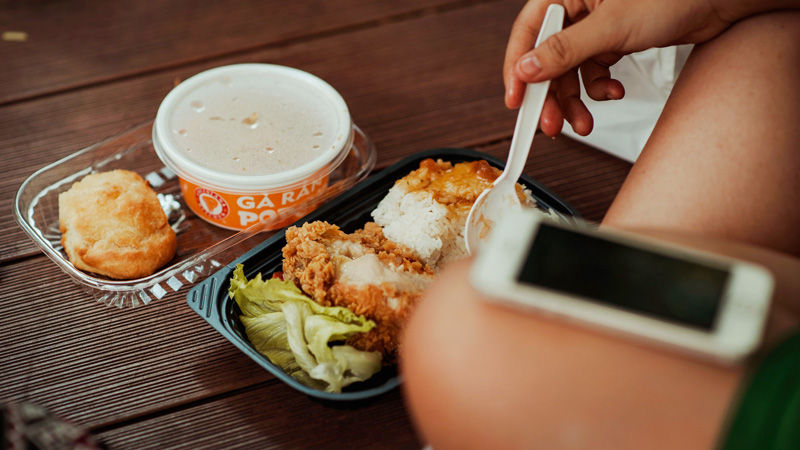
Image: Pexels/Min An
For most of us, plastic is so deeply woven into our daily lives that we barely notice it. From takeaway containers and coffee cups to grocery bags, cutlery, cling wrap and drink lids, plastic is used at almost every stage of buying, preparing and consuming food.
However, a recent surge in global plastic prices means businesses across Asia are facing higher operating costs, and consumers may soon notice the effects.
Why Are Plastic Prices Increasing?
The latest increase in plastic prices can be traced back to the recent conflict in the Middle East.

Many everyday plastic products are made using ethylene, a chemical derived from naphtha, an oil by-product. Around 60% of Asia's imported naphtha comes from the Gulf region.
When shipping through the strategically important Strait of Hormuz was disrupted during the conflict, supplies tightened while demand remained high. As a result, naphtha prices climbed sharply, driving up production costs for manufacturers that produce plastics.
Although the United States and Iran have since agreed to a ceasefire, supply chains do not recover overnight. Manufacturers are still processing raw materials purchased when prices were at their peak, meaning higher costs continue to work their way through the supply chain.
Why Does This Matter?

Image: Pexels/Tim Samuel
Plastic may seem inexpensive, but businesses use far more of it than many people realise. Food stalls, cafés, restaurants and retailers depend on disposable plastics every day, including:
Plastic bags
Takeaway food containers
Drink cups and lids
Disposable cutlery
Sauce containers
Plastic trays
Cling wrap and packaging film
Rubber bands used alongside plastic packaging
When every takeaway order requires multiple plastic items, even a modest increase in packaging costs can significantly raise a business's operating expenses.
Across several Asian countries, vendors have reported plastic bags becoming between 30% and 60% more expensive. Plastic trays, takeaway containers and drink cups have also seen notable price increases.
Many businesses are currently absorbing these additional costs to remain competitive, but doing so indefinitely may not be financially sustainable.
What Can Consumers Expect?

Image: Pexels/cottonbro studio
If plastic prices remain elevated, consumers may gradually begin to notice changes.
Businesses could:
Increase menu prices.
Introduce or raise takeaway packaging charges.
Reduce portion sizes to offset rising expenses.
Encourage customers to bring reusable containers.
Explore alternative packaging materials where practical.
As with many supply chain disruptions, businesses usually absorb part of the increased cost initially. However, if higher raw material prices persist, some of these costs will eventually be passed on to customers.
The Hidden Cost of Our Reliance on Plastic

Image: Pexels/kaboompics.com
The current situation also highlights just how dependent modern lifestyles have become on single-use plastics.
Whether buying breakfast on the way to work, ordering food delivery, grabbing lunch from a hawker centre or shopping for groceries, disposable plastic has become the default because it is affordable, lightweight, durable and convenient.
When the cost of something used millions of times every day increases, the impact extends far beyond packaging suppliers. It affects food businesses, retailers and ultimately consumers.
What Can We Do?
While consumers cannot control global oil prices or geopolitical events, we can reduce our reliance on single-use plastics through simple everyday habits.

Image: Pexels/Sarah Chai
Some easy ways to help include:
Bring your own reusable coffee cup.
Carry a reusable food container for takeaway meals.
Keep reusable cutlery in your bag.
Bring reusable shopping bags whenever possible.
Dine in instead of taking away when convenient.
Decline disposable straws, cutlery and plastic bags when they are unnecessary.
In Singapore, initiatives such as Eco Dabao make this even easier. The programme allows customers at participating eateries to borrow reusable takeaway containers and return them at designated collection points, reducing the need for disposable food packaging.
A Turning Point for Plastic Use?

Image: Pexels/cottonbro studios
While rising plastic prices will undoubtedly place additional pressure on businesses and consumers in the short term, this may also present an opportunity to rethink our dependence on single-use plastics.
For decades, plastic has been the default choice because it is cheap, lightweight and convenient. As those costs begin to rise, businesses and consumers alike may become more open to alternatives that were previously overlooked.

Image: Pexels/Sarah Chai
Restaurants may increasingly encourage customers to bring their own takeaway containers, expand reusable packaging programmes or reward those who choose to dine in. Consumers, too, may find it worthwhile to carry reusable cups, food containers and shopping bags as part of their daily routine.
Small individual actions may seem insignificant, but collectively they can reduce plastic waste, lower demand for disposable packaging and help businesses manage rising operating costs.
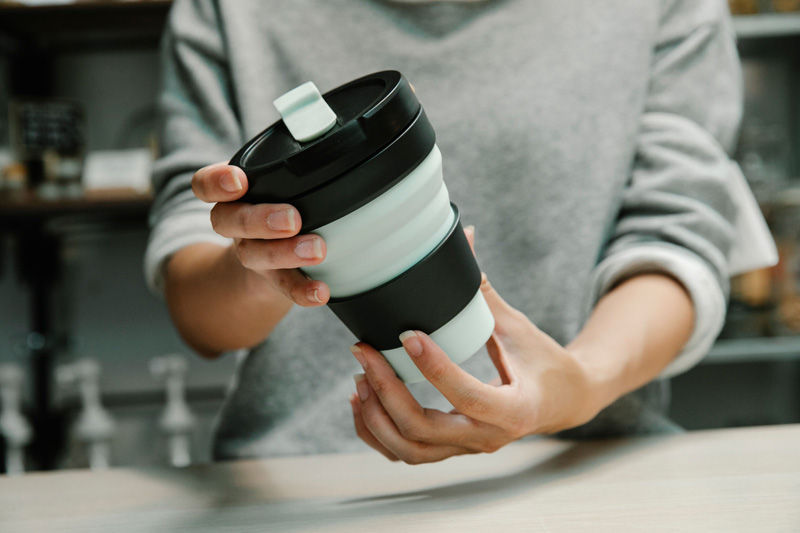
Image: Pexels/Sarah Chai
While no one welcomes higher prices, this moment could become the catalyst for lasting change. Sometimes it takes a disruption to the status quo for us to rethink long-standing habits. If that leads to less plastic waste and more sustainable choices, this challenge may ultimately become an opportunity to build a more resilient and environmentally responsible future.


